For decades, the prevailing wisdom in modern psychiatry has leaned heavily toward a biomedical model, treating mental illness primarily as a matter of chemical imbalances in the brain. While this shift helped remove some of the stigma surrounding diagnosis, it may have inadvertently pushed a crucial piece of the puzzle into the shadows: the subtle influence of family dynamics. Research suggests that while families might not cause initial mental health disorders, certain behavioral patterns within the home can act as powerful triggers for relapse across various conditions, including depression and schizophrenia.
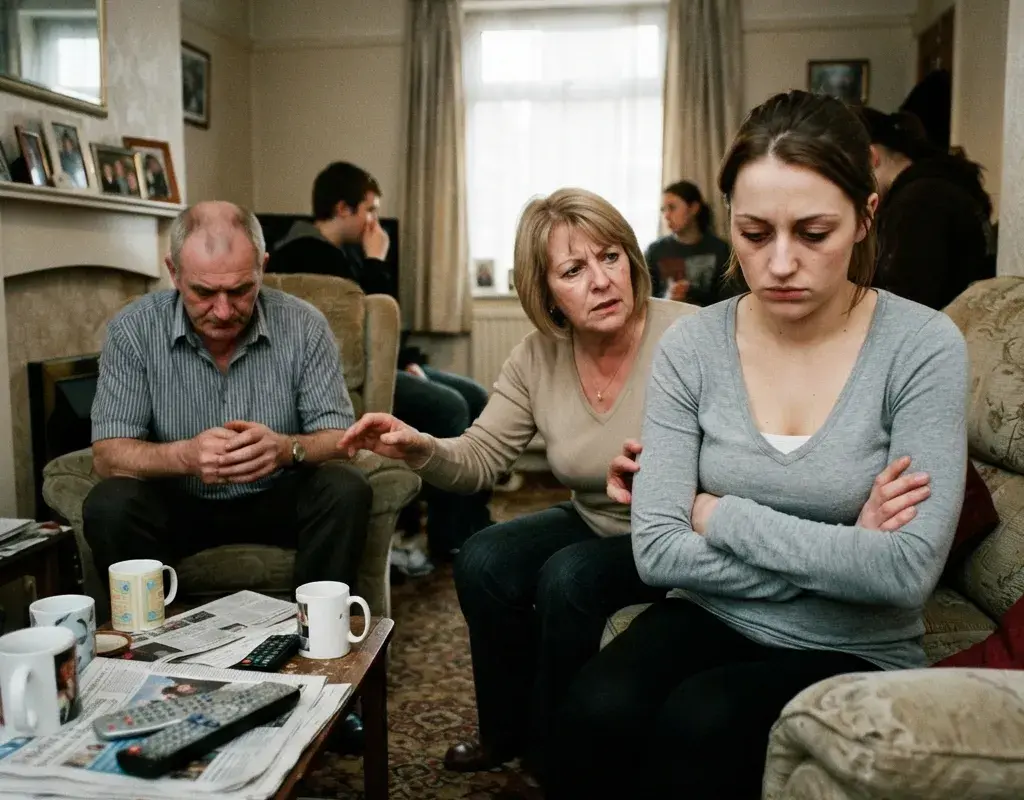
The danger often lies not in overt abuse or trauma, but in what researchers call expressed emotion. This encompasses three specific behaviors that can undermine recovery. First is persistent criticism, where family members express constant disapproval or label a struggling loved one as lazy. Second is hostility, which manifests as disparaging remarks or the dismissive belief that a patient should simply snap out of it. Finally, there is emotional overinvolvement, characterized by an excessive level of concern that unintentionally signals to the individual that they are incapable of coping with life on their own.
These findings date back to early sociological studies showing that patients living alone often fared better than those returning to highly critical households. One landmark study even indicated that reducing time spent with a critical relative could be nearly as effective as antipsychotic medication in preventing relapses. Despite this evidence, much of this data was sidelined starting in the late seventies as parent advocacy groups fought against the perceived blame placed on mothers and fathers during earlier eras of psychiatric thought.
Experts emphasize that acknowledging these patterns is not about assigning guilt or shaming caregivers who are often exhausted and overwhelmed themselves. Instead, identifying these stressors allows families to move toward targeted counseling and education rather than relying solely on prescriptions. Understanding that high levels of criticism and smothering care can sustain a crisis provides a roadmap for creating a more stable environment for healing without dismissing the biological realities of mental illness.