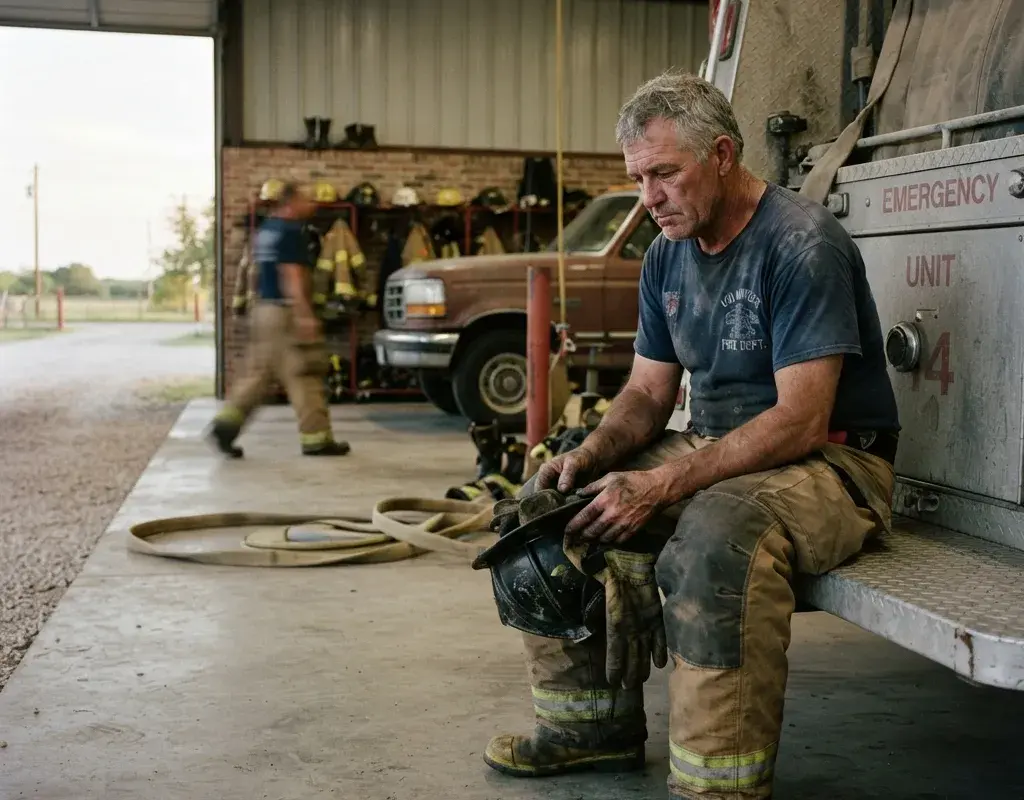
While firefighting is now globally recognized as a high risk profession due to its links to cancer, heart disease, and PTSD, a new study reveals that those who serve for free are often left behind. Despite legislative wins like the Wade Cannon Act in Texas, which mandates health screenings for career firefighters, these protections rarely extend to volunteers. This creates a dangerous disparity for the thousands of individuals who form the backbone of emergency services across rural Texas but lack the institutional support needed to monitor their long term health.
Research led by Samikshya Badal at the USA Center for Rural Public Health Preparedness found that only about one in four volunteer firefighters in Texas receives an annual health screening. This is particularly alarming given that volunteers comprise roughly two thirds of the state’s total firefighting force. According to Badal, these responders suffer from a double burden, facing the same scarcity of doctors and long wait times common in rural areas while simultaneously dealing with significantly higher occupational health risks than the average citizen.
The obstacles preventing these brave men and women from seeking care are largely systemic rather than personal. Survey data indicates that the primary barriers include prohibitive costs, a lack of health insurance, and simple confusion over where to find appropriate screenings. For many living in remote regions, the prospect of driving hours to reach a specialized clinic makes regular checkups nearly impossible, turning preventative medicine into an unaffordable luxury of time and money.
To close this gap, researchers argue that healthcare must move out of traditional clinics and directly into fire stations through mobile medical units and telehealth services. By pairing these nontraditional methods with patient navigators who can guide volunteers through complex medical systems and implementing standardized screening protocols, Texas could better protect its most vulnerable first responders. Ultimately, ensuring these volunteers stay healthy is not just about individual wellness but about safeguarding the resilience of the rural communities they serve.