
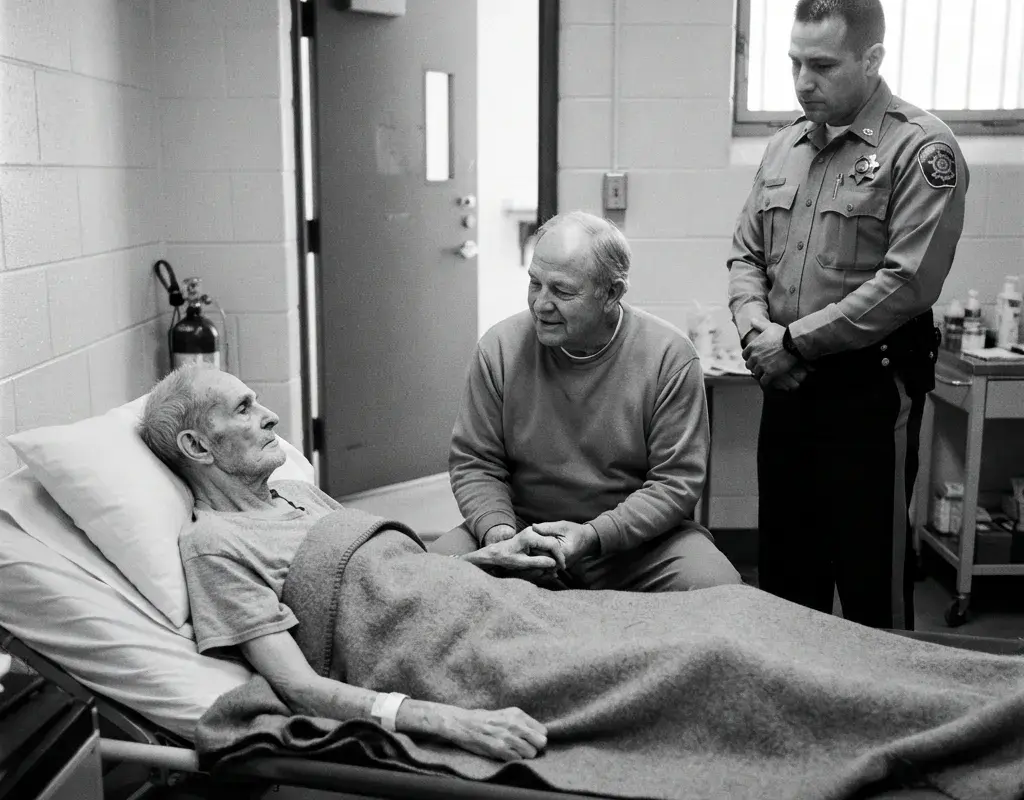
A growing movement is seeking to bridge a critical gap in humanitarian care by bringing palliative and hospice services into the forefront of correctional facility management. Through the efforts of advocates like Barry R. Ashpole and the launch of the End-of-Life Care Behind Bars digital hub, there is a concerted push to ensure that incarceration does not strip an individual of their right to a dignified death. By streamlining research and providing curated updates for medical professionals, this initiative aims to transform how society views the final days of those living within the justice system.
Recent global developments highlight a shifting tide toward systemic reform. In Australia, researchers are calling for a complete overhaul of prison palliative care, emphasizing that simple short term training is insufficient. Instead, they argue for deep structural changes that include indigenous leadership and stronger community collaborations to ensure that incarcerated patients receive care equivalent to that found in the general public. Similarly, in the United Kingdom, new guidelines from the National Health Service are promoting a multidisciplinary approach where guards, governors, and doctors work as a unified team to manage the delicate balance between institutional security and compassionate end of life support.
In the United States, the conversation has moved into the legislative arena with a focus on transparency and fiscal accountability. In Illinois, recent legal measures now require state corrections departments to report specifically on the costs associated with end of life care for those dying without formal hospice programs. Supporters of this legislation argue that collecting hard data is a pragmatic first step toward identifying inefficiencies and ensuring that taxpayers funds are used to provide more consistent and humane care for inmates facing terminal illness.
Beyond specific policies, there is an ongoing academic debate regarding who should actually run prison healthcare. Some experts suggest moving governance away from justice authorities and placing it firmly under national health ministries. Proponents believe this shift would protect clinical independence and allow for better integration between prison clinics and community hospitals. As nursing professionals continue to navigate the unique complexities of treating patients in shackles, these combined efforts across three continents signal a slow but steady evolution toward recognizing the inherent humanity of every patient, regardless of their legal status.